
· 5 min read
Why It Takes More Than One Treatment to See Hair Removal Results
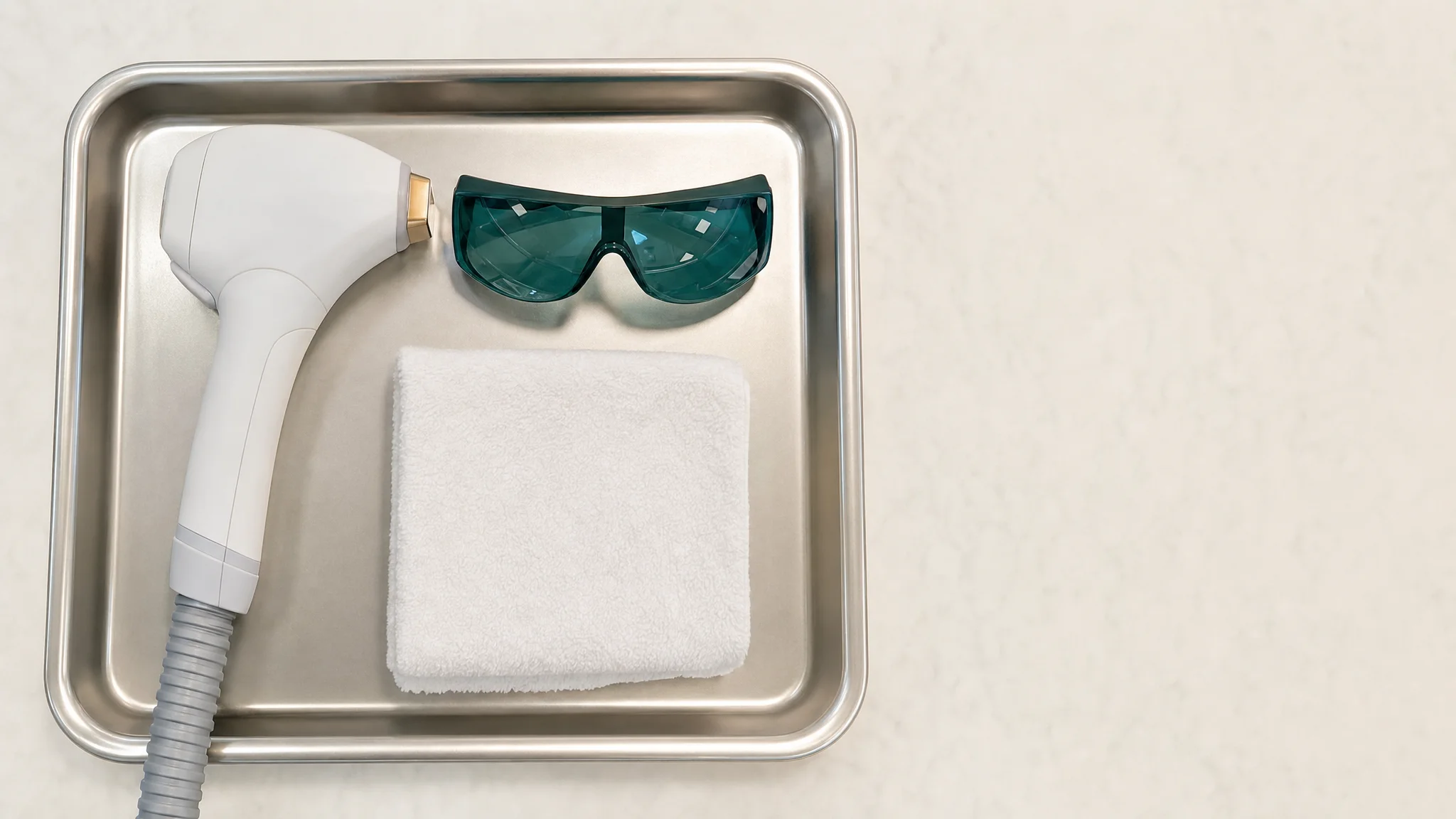
We are often asked about the magic number for achieving permanent results with laser hair removal. While the prospect of lasting smoothness is exciting, understanding the hair growth cycle is key to setting realistic expectations. True success requires multiple treatments, so that we target every hair at the moment it is most vulnerable.
The optimal window: the anagen phase
Anagen is the active growth stage, when the follicle is connected to the papilla and the hair shaft is full of pigment. This is the only time laser energy can travel down the shaft and destroy the root. At your initial appointment, only about 15–20% of your hair is in this state — which is precisely why repeated sessions are necessary.
The transitional challenge
Following anagen is the short catagen phase, a transitional period where growth stops. The follicle shrinks and detaches from the blood supply, preparing to shed. Because the laser targets pigment in the active follicle, treatments during this phase are far less effective. We wait for the hair to cycle back into active growth.
Resting and re-emergence
Next is telogen, the resting phase. The old hair has fully shed and the follicle lies dormant before a new hair begins to grow. With no active hair for the laser to target, treating telogen-stage hairs is ineffective.
Why a series is the path to permanence
Hair growth cycles are asynchronous — they operate independently of one another. Each session targets a different group of hairs as they enter anagen. That sequential approach is why clients experience smooth, long-term results.
The promise of permanent hair reduction is real, but it requires patience and commitment to the full treatment plan. We customize your appointments to align with your unique growth cycle.